Understanding Dizziness, Balance Problems, and Neck-Related Causes in Tigard
Feeling dizzy when you turn your head can be unsettling. For some people, it feels like the room is spinning. Others describe it as feeling off balance, lightheaded, unsteady, or disconnected from their surroundings. These symptoms can make everyday activities difficult and may leave you wondering whether something serious is going on.
If you’ve been asking yourself, “Why do I feel dizzy when I turn my head?” you’re not alone. Many people in Tigard experience dizziness, balance problems, and feelings of unsteadiness that interfere with work, exercise, driving, and daily activities.
Dizziness is one of the most common reasons people seek medical care, and there are several possible causes. While many people assume dizziness always comes from the inner ear, the reality is that balance depends on multiple systems working together. Problems involving the inner ear, eyes, neck, nervous system, or even a previous injury can all contribute to symptoms.
At BeWell Chiropractic in Tigard, we evaluate musculoskeletal and sensory system factors that may influence balance, coordination, and dizziness. Understanding the possible causes of dizziness is often the first step toward finding answers.
How Your Body Maintains Balance
Most people never think about balance until something goes wrong. Standing upright, walking across a room, climbing stairs, and turning your head all require constant communication between several different systems.
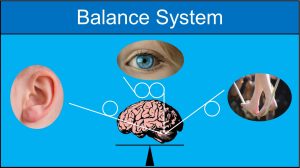
Your eyes provide visual information about your surroundings and movement. Your inner ears contain specialized structures that detect motion, acceleration, and head position. Your muscles and joints provide information about body position and movement through sensory receptors located throughout the body.
The brain continuously receives information from all of these systems and compares the signals to determine where you are in space. When the information matches, movement feels smooth and coordinated. When the signals become inconsistent, dizziness, imbalance, or a sensation of movement can occur.
This is one reason dizziness can be so challenging to understand. The symptom may feel the same, but the underlying cause can vary significantly from one person to another.
Common Signs Your Dizziness May Need Further Evaluation
Dizziness can feel different from one person to the next. Some people experience a spinning sensation, while others simply feel unsteady, disconnected, or less confident with movement.
You may recognize some of the following experiences:
- You feel dizzy when turning your head.
- Looking up causes symptoms.
- Rolling over in bed makes you feel off balance.
- You feel unsteady while walking.
- You drift to one side when walking.
- Busy environments such as grocery stores make symptoms worse.
- You feel like you are swaying or moving when standing still.
- You feel disconnected or “not quite yourself.”
- Symptoms began after a car accident, fall, or injury.
- You have balance problems even though medical testing appears normal.
Many patients tell us they struggle to describe exactly what they are feeling. They may not experience true spinning vertigo, but they know something feels different. If this sounds familiar, a thorough evaluation may help identify factors contributing to your symptoms.
Inner Ear Problems and Positional Dizziness
One of the most common causes of dizziness when turning your head is a condition known as benign paroxysmal positional vertigo, often referred to as BPPV.
Inside the inner ear are tiny calcium crystals that help the body detect movement and position changes. Sometimes these crystals become displaced and move into an area where they do not belong. When this happens, certain head positions can trigger sudden episodes of dizziness or spinning sensations.
People with BPPV often notice symptoms when rolling over in bed, looking upward, bending over, or turning their head quickly. The dizziness is frequently brief but can be intense.
Because BPPV originates within the vestibular system of the inner ear, treatment often involves specific repositioning maneuvers designed to guide the crystals back into their proper location.
Can Neck Problems Cause Dizziness?
Many people are surprised to learn that the neck plays an important role in balance and spatial awareness.
The muscles, joints, and connective tissues of the neck contain thousands of sensory receptors that constantly provide information to the brain regarding head position and movement. These signals help the brain coordinate balance, posture, and eye movements.
When the neck is functioning normally, the information sent to the brain is accurate and consistent. However, injury, inflammation, joint restriction, muscle tension, or altered movement patterns can affect the quality of these signals.
When information from the neck no longer matches information coming from the eyes and inner ears, the brain may interpret this mismatch as dizziness or imbalance.
Some individuals describe neck-related dizziness as feeling unsteady rather than experiencing a true spinning sensation. Others report feeling disconnected, foggy, or as if they are walking on a moving surface.
This type of dizziness is often referred to as cervicogenic dizziness.
Can Neck Problems Affect Balance and Coordination?
The neck plays a larger role in balance than many people realize.
Specialized sensory receptors located within the muscles and joints of the neck continuously send information to the brain regarding head position and movement. This information is integrated with signals from the eyes and inner ears to help maintain balance, coordination, and spatial awareness.
When the sensory information coming from the neck becomes altered due to injury, joint restriction, muscle tension, or postural changes, the brain may receive conflicting information. This mismatch can contribute to dizziness, feelings of unsteadiness, coordination difficulties, and reduced confidence during movement.
For some individuals, balance problems may develop even when imaging studies appear normal. This is because many balance-related issues involve how the nervous system processes information rather than structural abnormalities that can be seen on an MRI or X-ray.
Dizziness Following a Whiplash Injury
Dizziness is a common complaint following motor vehicle accidents and whiplash injuries.
During a collision, the head and neck can move rapidly in multiple directions, placing stress on muscles, joints, ligaments, and other soft tissues. Even relatively minor accidents can alter how sensory information is processed and communicated between the neck and brain.
Many people assume that if imaging studies appear normal, their symptoms should disappear quickly. However, dizziness, balance problems, headaches, difficulty concentrating, and feelings of unsteadiness can sometimes persist long after the initial injury.
Research has shown that individuals with whiplash injuries may experience disturbances in balance, coordination, eye movement control, and neck position awareness. These changes can contribute to dizziness when turning the head or changing positions.
If dizziness develops following a car accident, a comprehensive evaluation may help identify factors that could be contributing to ongoing symptoms.
Why Dizziness Sometimes Occurs Without Neck Pain
One of the most confusing aspects of dizziness is that it does not always occur alongside significant neck pain.
Some individuals experience dizziness as their primary complaint even though they have very little discomfort in the neck itself. This can happen because sensory receptors within the muscles and joints may be affected without producing substantial pain.
As a result, people may not initially realize that the neck could be contributing to their symptoms.
This is one reason a thorough evaluation should consider not only pain levels but also posture, movement patterns, coordination, balance function, and sensory system integration.
Other Possible Causes of Dizziness
Although the neck and inner ear are common contributors, dizziness can arise from many different sources.
may affect how the brain processes sensory information. Blood pressure fluctuations can reduce blood flow to the brain and create feelings of lightheadedness. Certain medications may produce dizziness as a side effect. Visual disturbances, neurological conditions, dehydration, and metabolic factors can also influence balance and coordination.
Because there are so many potential causes, it is important not to assume that every episode of dizziness originates from the same source.
An accurate assessment can help determine which systems may be involved and whether additional medical evaluation is appropriate.
When Should Dizziness Be Evaluated?
Occasional dizziness may occur for many reasons, including illness, fatigue, dehydration, or sudden position changes. However, recurring symptoms should not be ignored.
You should consider seeking evaluation if dizziness is interfering with daily activities, affecting your confidence while walking, occurring after an injury, or becoming more frequent over time.
Certain symptoms require immediate medical attention. These include sudden weakness, facial drooping, difficulty speaking, loss of consciousness, chest pain, sudden severe headache, or significant changes in vision. These symptoms may indicate a more serious medical condition and should be evaluated promptly.
Frequently Asked Questions About Dizziness
Can neck problems make you dizzy?
Yes. The muscles and joints of the neck contain sensory receptors that provide the brain with information about head position and movement. When these signals become altered, dizziness, imbalance, and feelings of unsteadiness may occur.
Can whiplash cause dizziness and balance problems?
It can. Following a whiplash injury, changes involving the muscles, joints, and sensory systems of the neck may affect how the brain processes information related to balance and movement. Some individuals experience dizziness immediately after an accident, while others notice symptoms days or weeks later.
Can dizziness occur even if my MRI is normal?
Yes. Many causes of dizziness involve functional changes in balance, coordination, sensory processing, or nervous system integration that may not appear on imaging studies. Normal imaging does not necessarily mean symptoms are not real.
Should I be worried if I get dizzy when turning my head?
Occasional dizziness can occur for many reasons, including dehydration, illness, or sudden position changes. However, recurring dizziness that interferes with daily activities should be evaluated, especially if symptoms are becoming more frequent or severe.
Why do I feel off balance even though I am not spinning?
Not all dizziness involves a spinning sensation. Some individuals experience feelings of swaying, floating, rocking, instability, or disconnection. These symptoms may be related to how the brain integrates information from the eyes, inner ears, neck, and nervous system.
Can a concussion cause dizziness?
Yes. Concussions can affect how the brain processes information from the visual, vestibular, and sensory systems. Dizziness, balance difficulties, brain fog, and coordination problems are common symptoms following a concussion.
Dizziness Evaluation at BeWell Chiropractic in Tigard
At BeWell Chiropractic in Tigard, we evaluate how the spine, musculoskeletal system, sensory system, and nervous system work together to support balance, coordination, and movement.
Our examination may include assessment of neck function, posture, eye movements, balance, coordination, movement patterns, and post-injury changes that could be contributing to dizziness or feelings of unsteadiness.
Because dizziness can involve multiple systems, identifying contributing factors is often an important step toward improving function and restoring confidence in daily activities.
If you’ve been wondering, “Why do I feel dizzy when I turn my head?” understanding the underlying cause is often the first step toward finding answers.
Final Thoughts…
If you’re experiencing dizziness, balance problems, or symptoms following an injury, you may also find these articles helpful:
- Can Whiplash Cause Dizziness and Balance Problems?
- Dizziness After a Car Accident
- Can Neck Problems Affect Balance and Coordination?
- Can Whiplash Cause Brain Fog and Difficulty Concentrating?
- Why Do I Feel Unsteady Walking Even Though My MRI Is Normal?
You don’t have to keep wondering why you feel dizzy, off balance, or unsteady. At BeWell Chiropractic in Tigard, we evaluate how the spine, musculoskeletal system, sensory system, and nervous system work together to support movement and balance. Contact our office today to schedule an evaluation and take the first step toward understanding what’s contributing to your symptoms.