
Chiropractic Therapy in Tigard, Oregon

Electrical Stimulation Therapy

When pain or muscle guarding makes an area difficult to move or work with comfortably, electrical stimulation may be used as a short supportive part of care.

At BeWell Chiropractic, Dr. Richard Crokin evaluates first, then decides whether a brief session may help make treatment more comfortable.
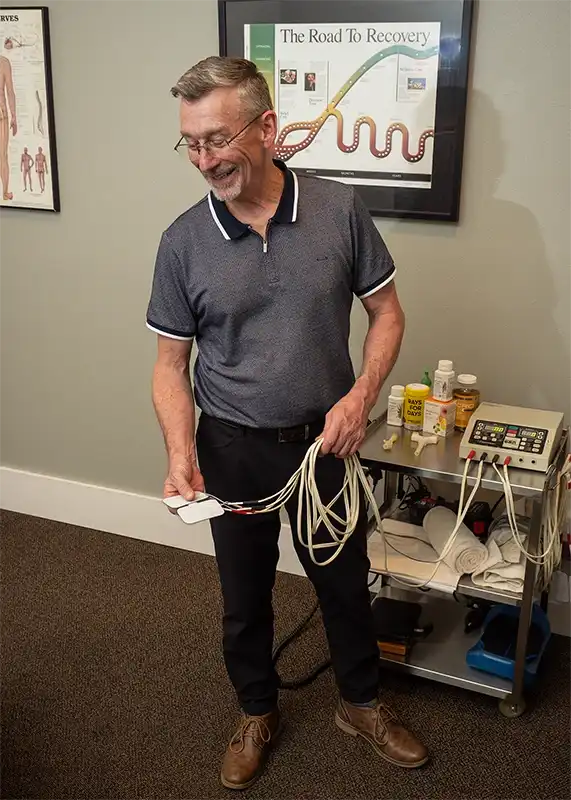
E-Stim is a supportive tool. It is not used as a stand-alone answer for the underlying problem.
BeWell Chiropractic Dr. Crokin electric therapy

When Electrical Stimulation May Be Considered

Electrical stimulation is not chosen from a symptom list. Dr. Crokin considers it when temporarily reducing the intensity of what you feel may help another part of care go more comfortably.

Reasons It May Be Considered

Pain is dominating the visit

A painful area may feel too sensitive to move or work with comfortably. E-Stim may be considered to make that sensation more manageable for a short time.

Muscles are tight or protective

Pain and injury can be accompanied by muscle guarding or spasm. Electrical stimulation may be used when that tension is adding to discomfort.
 

Hands-on care is difficult right now

A short period of stimulation may help an area feel calmer before or alongside an adjustment, massage, or other treatment.
These are reasons electrical stimulation may be considered, not reasons it is automatically used. The evaluation determines whether it has a useful role.

What Electrical Stimulation Treatment Is Like

If electrical stimulation is included in your care, small electrode pads are placed on or near the treatment area to create a gentle tingling, pulsing, or mild muscle contraction. Dr. Crokin adjusts the intensity for comfort, reviews relevant health considerations beforehand, and uses the therapy as one part of your broader treatment plan rather than as a stand-alone service.

That combination is especially relevant for active patients because sports complaints are not always identical. Some are straightforward muscle or joint problems. Others involve nerve symptoms, balance, coordination, or neurological findings that warrant a broader evaluation.

Dr. Crokin’s approach is to stay focused on what is relevant to your situation and to recommend another provider when your needs fall outside the appropriate role of chiropractic care.

Symptoms / Unresolved Question

Evaluation

What Do the Findings Suggest?

Chiropractic Care

If the findings fit the kind of care we provide, we can discuss what approach may be appropriate.

Another Next Step

If they do not, another type of evaluation or care may make more sense.
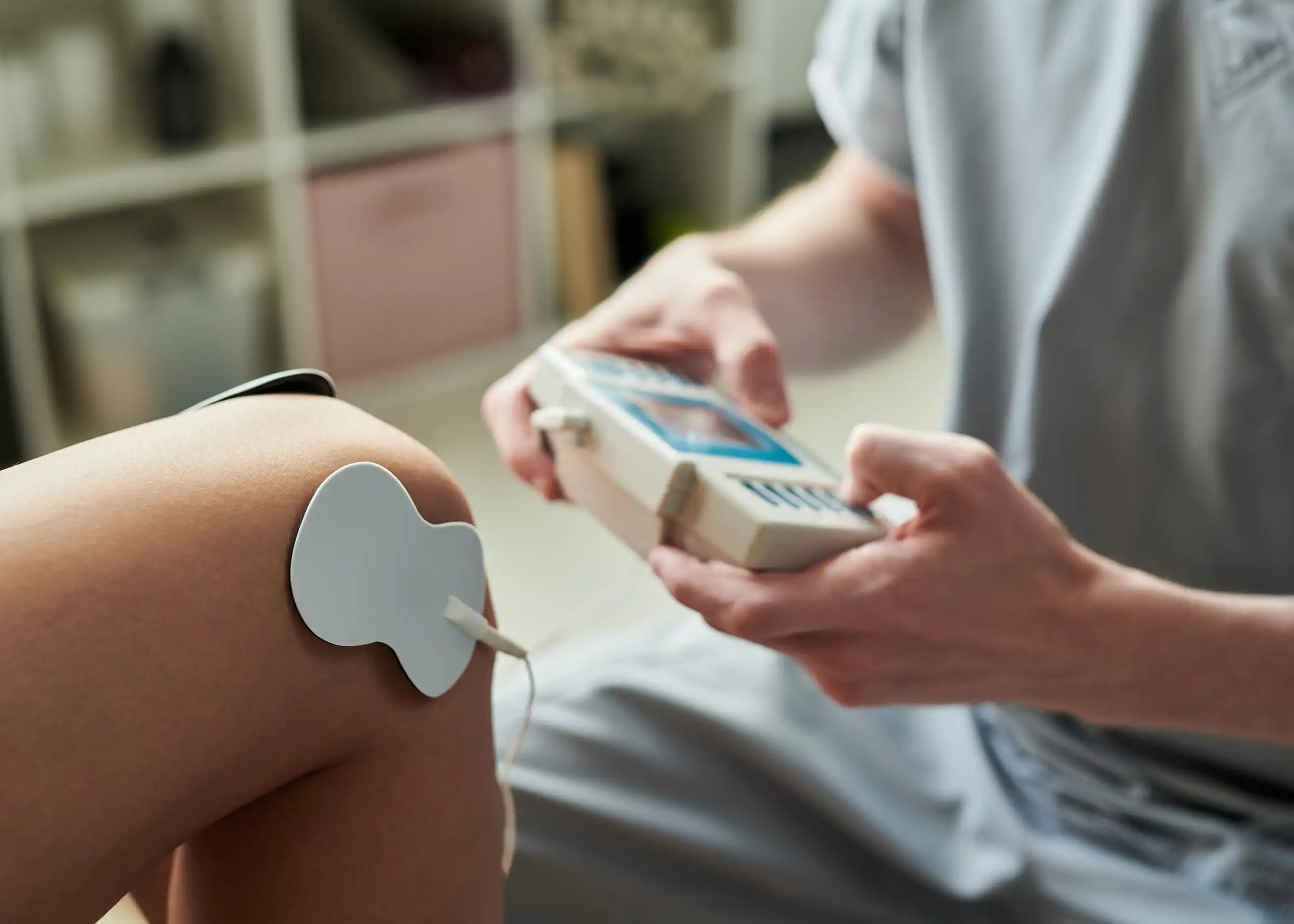
BeWell Chiropractic Dr. Crokin clinic electric stimulation

How It Works

How Electrical Stimulation Can Change What You Feel

Small electrode pads placed on the skin deliver controlled electrical impulses to a targeted area. Those impulses create added sensory input that may temporarily change how strongly pain is perceived.

Stage 1

Electrode pads

Pads make contact with the skin near the area being treated.

Stage 2

Controlled stimulation

The device sends an adjustable tingling or pulsing signal.

Stage 3

Competing sensory input

That stronger input may compete with or change the way discomfort is perceived for a short time.

Stage 4

Temporary comfort

The area may feel more manageable while Dr. Crokin continues with the care selected for the visit.

What It Doesn't Do

Feeling less discomfort does not mean the underlying issue has been identified or fixed. Electrical stimulation changes what you feel temporarily. It does not replace evaluation or treatment directed at the findings.

A Supportive Tool, Not the Whole Treatment

Electrical stimulation does one limited job: it may make an area feel more comfortable for a short time. Other parts of care address other findings. Care may include:

Your care plan does not need to include every one of these approaches. Dr. Crokin selects the combination that fits what he finds and how you respond.

Evaluation Comes Before Electrical Stimulation

The device does not make the plan personal. The evaluation does.

We listen to your story

What happened? What are you feeling? What activities or movements have become harder? Your experience provides the context for the examination.

Examine the problem

Dr. Crokin considers the painful or guarded area, joint and muscle findings, how you move, and relevant nervous-system function.

Select the care

Electrical stimulation may be included when it has a useful supporting role. Another therapy may make more sense when the findings point elsewhere.

Refer when appropriate

If your concern requires a different provider or additional medical evaluation, Dr. Crokin will guide you toward the appropriate next step.

Start With an Evaluation

You do not need to decide whether Electrical Stimulation Therapy is right for you before you come in. Schedule an evaluation with Dr. Crokin to understand what is happening and determine what care makes sense for your situation.
Tigard and nearby Portland-area communities · 25+ years in practice · Clinical neuroscience training