
Sports Injury Care in Tigard
Get Back to the Activity You Love
A sports injury can be obvious. It can also be the ache that returns when you train harder, the shoulder that never regained its normal motion, or the back that feels fine until you play again. BeWell Chiropractic provides sports injury evaluation and care in Tigard for active adults, recreational athletes, and competitive athletes.
When an Injury Keeps Getting in the Way
Sports Injuries Do Not All Show Up the Same Way
It Just Happened
A strain, sprain, joint irritation, overuse problem, or other injury has interrupted your activity and you want to understand what to do next.
It Keeps Coming Back
You rest. It settles down. You return to running, lifting, playing, or training, and the same area starts bothering you again.
It Never Quite Felt Right Again
The original pain may be better, but your mobility, strength, control, or confidence still does not feel the way it did before the injury.
The common thread is simple: something is getting between you and the activity you love.
Where Care May Focus
Why Problems Can Show Up Again When You Return to Activity
Running, lifting, throwing, swinging, cutting, reaching, jumping, and repetitive training all place different demands on the body. A limitation that is barely noticeable during everyday activity may become much more obvious when those demands return.
The painful area may not be the only thing worth evaluating. Depending on the injury, joint motion, muscle function, nerve irritation, movement control, and how much activity the area can currently tolerate may all be relevant.
Symptoms / Unresolved Question
Evaluation
What Do the Findings Suggest?
Chiropractic Care
If the findings fit the kind of care we provide, we can discuss what approach may be appropriate.
Another Next Step
If they do not, another type of evaluation or care may make more sense.

We Look at More Than the Sore Spot
Your visit starts with what happened and what has changed. What were you doing when the problem started? What movements bother it now? What feels limited? What happens when you try to return to your normal training or sport?
From there, Dr. Crokin focuses the examination on the areas that are relevant to your situation.
Orthopedic and Joint Assessment
Range of Motion and Muscle Function
Nerve and Sensory Findings
Balance, Coordination, or Neurological Screening
When a Sports Impact Affects More Than the Injured Area
Some sports impacts produce more than a local strain or sprain. If you have persistent dizziness, unusual balance problems, brain fog, visual or motion sensitivity, altered sensation, or a broader group of symptoms after an impact, a Post-Trauma Recovery evaluation may be more relevant. Learn About Post-Trauma Recovery
Therapies
There Is No Single Sports Injury Treatment Plan
Your care depends on what Dr. Crokin finds, the type of injury, your current function, and the activity you are trying to return to. Depending on your presentation, care may include one or more of the following approaches.
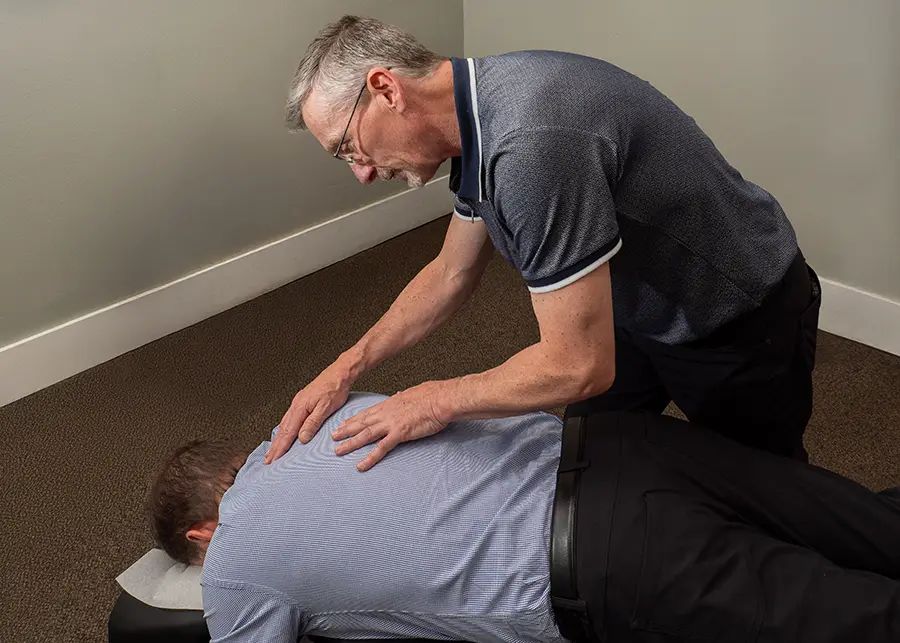
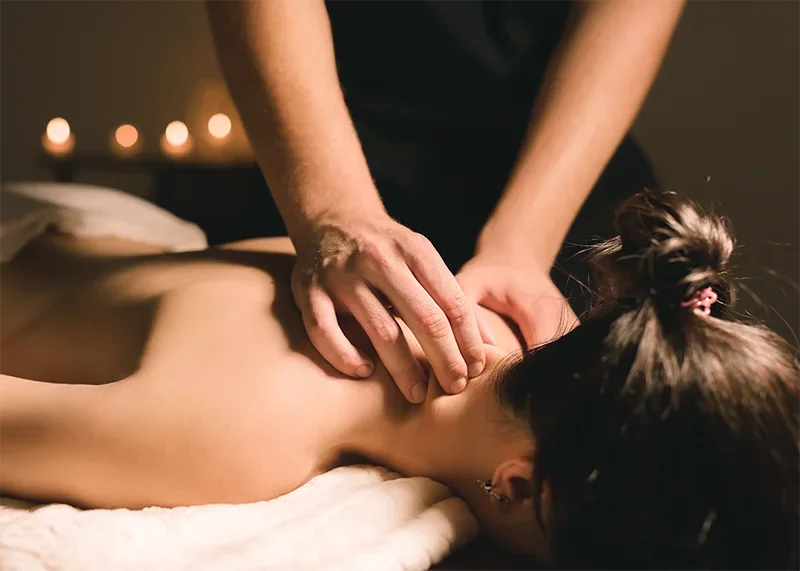
Hands-On and In-Office Care

Supporting and Adjunct Care
The Goal Is More Than Making a Sore Spot Quieter
Sports ask more of your body than ordinary daily movement. As care progresses, the relevant question becomes how you are functioning as you move back toward the demands of your activity. Returning to sport is not always one single moment. It can be a progression back toward participation and the level of activity that matters to you.
Checkpoint 1
Understand Where You Are Now
Checkpoint 2
Address the Findings That Matter
Checkpoint 3
Reevaluate as Activity Increases
MEET DR. CROKIN
Sports-Focused Experience With a Broader Clinical Perspective
That combination is especially relevant for active patients because sports complaints are not always identical. Some are straightforward muscle or joint problems. Others involve nerve symptoms, balance, coordination, or neurological findings that warrant a broader evaluation.
Dr. Crokin’s approach is to stay focused on what is relevant to your situation and to recommend another provider when your needs fall outside the appropriate role of chiropractic care.
Symptoms / Unresolved Question
Evaluation
What Do the Findings Suggest?
Chiropractic Care
If the findings fit the kind of care we provide, we can discuss what approach may be appropriate.
Another Next Step
If they do not, another type of evaluation or care may make more sense.

25+ years in practice — hands-on chiropractic care in the Portland area
Certified Chiropractic Sports Physician — sports injury evaluation & care
Clinical Neuro Science Program — Carrick Institute for Graduate Studies
Referral and Collaboration
Frequently Asked Questions
BeWell sees active patients with muscle strains, ligament sprains, joint irritation, overuse complaints, neck and back problems, mobility restrictions, and other sports-related musculoskeletal concerns. Whether chiropractic care is appropriate depends on the injury and the examination.
There can be many reasons. Symptoms may settle before your body is ready for the same demands again. An evaluation can help determine whether joint motion, muscle function, nerve irritation, movement, or another factor is relevant in your case.
Pain, reduced activity, changes in joint motion, muscle function, and other factors can influence how an area feels or performs after an injury. In some situations, neurological factors may also be relevant. A focused evaluation helps determine which findings matter instead of assuming one explanation from the symptom alone.
Yes. Imaging and a functional examination answer different questions. An X-ray, CT scan, or MRI may be useful for evaluating particular structural concerns, but imaging by itself does not explain every source of pain, stiffness, altered movement, or reduced function.
Your visit begins with your story and a focused examination. Care is then selected according to your findings and may include chiropractic adjustments, soft-tissue work, Class IV laser therapy, electrical stimulation, or movement guidance.
That depends on the injury and the demands of the activity. Symptoms are one consideration, but motion, strength, function, confidence, and the ability to tolerate sport-specific activity may also matter. When formal medical clearance or specialist rehabilitation is required, BeWell will recommend the appropriate next step.
Yes. Some active patients seek care for stiffness, mobility concerns, recurring trouble spots, or the physical demands of regular training even when they do not consider themselves significantly injured. The focus remains on evaluating how you are functioning and addressing findings that are appropriate for chiropractic care.
Sports impacts can sometimes produce concussion-type, balance, sensory, or broader neurological symptoms. If dizziness, brain fog, unusual balance problems, visual sensitivity, altered sensation, or other persistent symptoms are part of the picture, our Post-Trauma Recovery information may be a better starting point.