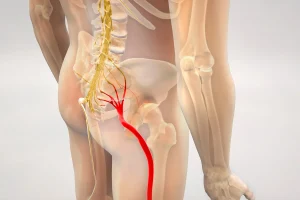
Constipation is one of the most common digestive complaints, affecting millions of people worldwide. For some, it’s an occasional nuisance after travel or dietary changes. For others, it becomes a persistent, frustrating problem that impacts daily life. While most people think of constipation relief as simply a digestive issue, its roots often run straight into the nervous system. That’s why Chiropractic for constipation is so powerful.
The colon is not just a hollow tube that pushes food along. It is a highly organized organ, controlled by an intricate web of neurological connections. Understanding the neurology of the colon helps explain why constipation relief can sometimes resist medications and diet changes. BeWell Chiropractic may play an important role in constipation relief in Tigard. .
In this article, we’ll explore how the colon works from a neurological perspective, the common causes of constipation, and how chiropractic adjustments can help support healthy bowel movements.
The Neurological Control of the Colon
The colon is the final section of the digestive tract, responsible for absorbing water, electrolytes, and moving waste toward elimination. Its function is governed by two major systems of nerves:
The Enteric Nervous System (ENS) – The “Second Brain”
The colon contains its own built-in nervous system, called the enteric nervous system (ENS). With more than 100 million neurons, the ENS rivals the spinal cord in complexity. It can operate independently, coordinating peristalsis—the rhythmic muscular contractions that push stool forward.
The ENS relies on communication with the brain and spinal cord but is also capable of running much of digestion “on autopilot.” Neurotransmitters like serotonin (yes, the same chemical linked to mood) play a vital role in regulating colonic motility. In fact, about 95% of the body’s serotonin is found in the gut.
The Autonomic Nervous System (ANS) – Parasympathetic vs. Sympathetic
The ENS is influenced heavily by the autonomic nervous system (ANS), which consists of two opposing branches:
Parasympathetic nervous system (PNS): Known as “rest and digest,” this branch stimulates bowel activity. Parasympathetic input comes primarily from the vagus nerve (to the upper GI tract) and the pelvic nerves from the sacral spine (to the lower colon and rectum).
Sympathetic nervous system (SNS): Known as “fight or flight,” this branch slows digestion and decreases motility when the body perceives stress. Sympathetic fibers to the colon emerge from the thoracic and lumbar spinal regions.
A healthy colon requires a delicate balance between parasympathetic stimulation (to move things along) and sympathetic inhibition (to pause when necessary). If this balance is disrupted—say, due to chronic stress, spinal dysfunction, or nerve irritation—the result can be constipation.
What Causes Constipation?
Constipation can stem from many factors. Low dietary fiber, inadequate hydration and excessive processed foods are the first to investigate. Medications, pain relievers, antidepressants all slow bowel motility and could play a part. You probably already know chronic stress is a big factor. Of course, irritation of the nerves controlling the colon WILL cause problems… and that’s where BeWell Chiropractic is uniquely qualified.
The Spine-Colon Connection
The colon’s nervous system communicates through specific areas of your spine. The thoracolumbar junction (TLJ), the area connecting the mid and low back, is the area that slows motility. The lumbosacral junction (LSJ) , right at the belt line, stimulates motility. A problem in either area slows bowel function.
This neurological interference is often overlooked in conventional approaches to constipation, which focus mostly on stool softeners, laxatives, or diet changes. While those may provide temporary relief, this Chiropractor in Tigard, Oregon address the miscommunication between the nervous system and the gut.
How Chiropractic Helps Constipation
BeWell Chiropractic centers on restoring motion and alignment to the spine, which in turn reduces stress on the nervous system. Here’s how that can translate to improved bowel function.
Restoring Parasympathetic Tone
Gentle adjustments to the sacrum and lower spine can reduce interference on the pelvic splanchnic nerves. This improves parasympathetic activation, sending the “it’s time to go” message more clearly to the colon.
Balancing the Autonomic Nervous System
By correcting subluxations in the thoracolumbar region, chiropractic care may reduce excess sympathetic inhibition. This helps restore balance between the “pause” and “go” signals that regulate peristalsis.
Reducing Stress Responses
Adjustments also affect the body globally by calming the stress response. Research shows chiropractic adjustments can influence heart rate variability, a measure of autonomic balance. Less stress means less sympathetic overdrive—and better digestion.
Improving Pelvic Biomechanics
For some people, constipation is worsened by pelvic floor dysfunction. Restricted sacroiliac joints and poor spinal mechanics can affect posture, abdominal pressure, and pelvic muscle coordination. Chiropractic adjustments improve mobility and alignment, indirectly supporting healthy bowel mechanics.
Evidence Supporting Chiropractic and Constipation
While research in this area is still developing, several studies and case reports suggest chiropractic may benefit patients with constipation:
Children with chronic constipation typically respond well to chiropractic adjustments, particularly in the sacral spine. Some studies have documented significant improvements in bowel frequency after care.
Adults with IBS-C have reported symptom relief when chiropractic care is included alongside dietary and lifestyle interventions.
Individuals with spinal cord injuries or neurological disorders can experience improved bowel function with chiropractic adjustments targeting specific spinal regions.
Chiropractic in a Whole-Body Approach
It’s important to remember that constipation is often multi-factorial. This chiropractor in Tigard is not a magic bullet but part of a holistic strategy. Remember diet, drink water even when not thirsty, exercise and manage the stress! By combining nervous system care with these lifestyle factors, patients often see lasting improvements.
A Real-World Perspective
Many patients come to chiropractic care for back or neck pain, only to discover their digestion improves as a side benefit. This “unexpected bonus” makes sense when you understand the neurology of the colon. By restoring normal communication between the brain, spinal cord, and gut, chiropractic adjustments in Tigard often provides relief in ways people never expected.
For those who struggle with constipation despite trying medications, fiber supplements, or probiotics, chiropractic care offers a safe and natural option to address the neurological component.
Final Thoughts…
Constipation is more than just a digestive problem—it’s a neurological one. The colon relies on finely tuned communication between the enteric nervous system and the autonomic nervous system. If that communication is disrupted, the result can be sluggish motility and uncomfortable bowel movements.
BeWell Chiropractic in Tigard, OR helps constipation by restoring spinal alignment and reducing nervous system interference, especially at the thoracolumbar and sacral levels that control the colon. By balancing autonomic function, calming stress, and supporting overall biomechanics, chiropractic can play a powerful role in promoting healthy digestion.
If you or someone you know struggles with constipation, consider BeWell Chiropractic. It’s not just about relieving pain—it’s about restoring the body’s natural rhythms, including one of the most fundamental: the ability to go.