A car crash can affect much more than your neck, back, or head.
Sometimes the changes are physical and obvious. You may have whiplash, back pain, headaches, dizziness, or stiffness.
But a crash can also affect how you feel, think, sleep, and respond to everyday situations.
You may notice anxiety, irritability, difficulty concentrating, feeling overwhelmed, or nervousness about getting back behind the wheel.
If this sounds familiar, you are not alone. And it doesn’t necessarily mean something is wrong with you.
Your body and nervous system have just been through a stressful event.
Why Can a Car Crash Cause Emotional Changes?
A crash happens in an instant.
There may be the sudden impact, the sound of bending metal, the feeling of your body being thrown or jolted, and the immediate uncertainty about what just happened.
Your nervous system is designed to respond quickly to danger. During a frightening event, your body can shift into a heightened state of alertness. Your heart rate may increase, your muscles tense, and your attention becomes focused on what is happening around you.
That response is useful when you are trying to avoid danger.
But after the crash is over, it can take time for your body and nervous system to settle back into their normal patterns.
For some people, this may contribute to feeling anxious, irritable, jumpy, overwhelmed, or having trouble concentrating.
Common Emotional Changes After a Car Accident
Everyone responds differently to a crash. Some people notice emotional changes immediately. For others, they may become more noticeable days or weeks later.
Some common experiences include:
Anxiety or increased worry. You may feel more on edge or worry about another accident happening.
Irritability. Small frustrations may seem harder to tolerate than they did before the crash.
Difficulty concentrating. You may find it harder to focus at work, follow a conversation, or stay mentally organized.
Feeling overwhelmed. Everyday responsibilities can suddenly feel like more than you can handle.
Changes in sleep. Falling asleep, staying asleep, or getting restful sleep may become more difficult.
Nervousness about driving. Getting back into a car — particularly in traffic, at an intersection, or in the location where the crash occurred — can bring back feelings associated with the accident.
These experiences can be particularly frustrating when you are also dealing with physical injuries.
Why Physical Symptoms and Emotional Stress Can Feel Connected
Your body doesn’t separate physical and emotional experiences into completely different compartments.
Pain can affect sleep and daily activity. Poor sleep can make it harder to concentrate and cope with stress. Feeling anxious or overwhelmed can make it harder to relax and may increase your awareness of physical discomfort.
After a crash, you may therefore find yourself caught in a cycle:
Pain → poor sleep → fatigue → difficulty concentrating → increased stress.
Breaking that cycle can be an important part of recovery.
That doesn’t mean physical symptoms are “all in your head.” It means your nervous system, musculoskeletal system, and sensory systems are constantly communicating with one another.
What Can You Do After a Crash?
Recovery takes time, and there isn’t one approach that works for everyone.
Start with the basics. Get adequate sleep. Eat regularly. Stay hydrated. Follow the recommendations you have received from your healthcare providers. And, when appropriate, gradually return to normal activities rather than remaining completely inactive.
Pay attention to what your body is telling you.
If you’re experiencing ongoing neck or back pain, headaches, dizziness, balance problems, numbness or tingling, or other physical changes after an accident, have those symptoms evaluated.
And don’t overlook significant emotional changes.
If anxiety, fear, sleep problems, difficulty concentrating, or changes in mood are persistent or interfering with your work, relationships, driving, or daily life, talk with your physician or a qualified mental health professional. Emotional symptoms following a frightening event deserve attention just as physical symptoms do.
What About Being Afraid to Drive Again?
For some people, driving again is one of the hardest parts of getting back to normal.
You may feel fine sitting in the passenger seat but become tense as soon as you get behind the wheel. You may become especially alert around intersections, stoplights, heavy traffic, or vehicles approaching from behind.
Start where you feel comfortable and follow appropriate professional guidance. Gradually rebuilding confidence may be easier than forcing yourself to immediately return to the exact circumstances that make you most uncomfortable.
The goal isn’t to pretend the crash didn’t happen. It’s to give your body and mind the opportunity to recognize that you are safe again.
Don’t Ignore the Physical Side of Recovery
Emotional changes are only one part of what can happen after a car crash.
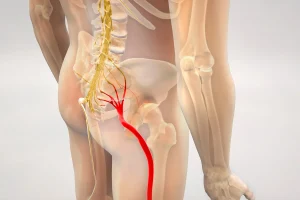
A sudden impact can affect the neck, spine, muscles, joints, vestibular system, visual system, and other parts of the body. Some symptoms may appear immediately, while others become more noticeable as the initial adrenaline and stress of the accident wear off.
At BeWell Chiropractic in Tigard, we evaluate post-injury conditions from a neurology-based perspective.
Rather than looking only at where something hurts, we look at how the musculoskeletal and sensory systems are functioning and how they may be contributing to symptoms such as pain, dizziness, balance problems, headaches, numbness and tingling, or other changes following an injury.
If something doesn’t feel right after a crash, it is worth paying attention to.
Your Body Has Been Through a Crash
A car crash can affect your body and your life in ways you may not expect.
Your recovery may involve more than treating the most obvious injury. It may take time for your body, nervous system, and daily routines to get back into normal.
Pay attention to the changes. Get the appropriate help when you need it. And give yourself permission to recover.
BeWell Chiropractic in Tigard, Oregon takes a neurology-based approach to post-injury care, helping active adults keep working, stay active, and recover after an accident.
Keep working. Stay active. Be Well.