
The human body is an interconnected system, designed to function efficiently when its structure and mechanics are working in harmony. At the center of this design are the skull, spine, and pelvis, working together as a protective framework for the central nervous system. This system safeguards the brain, spinal cord, and nerves that send and receive critical information to every organ, tissue, and muscle in the body. When this relationship is disrupted, it can interfere with normal nerve communication and contribute to pain, dysfunction, and countless physical complaints.
At BeWell Chiropractic in Tigard, care is focused on restoring proper structure and function of the skull, spine, and pelvis so the nervous system can operate with minimal interference and the body can perform as well as it was designed to.
The Role of the Nervous System in Overall Health
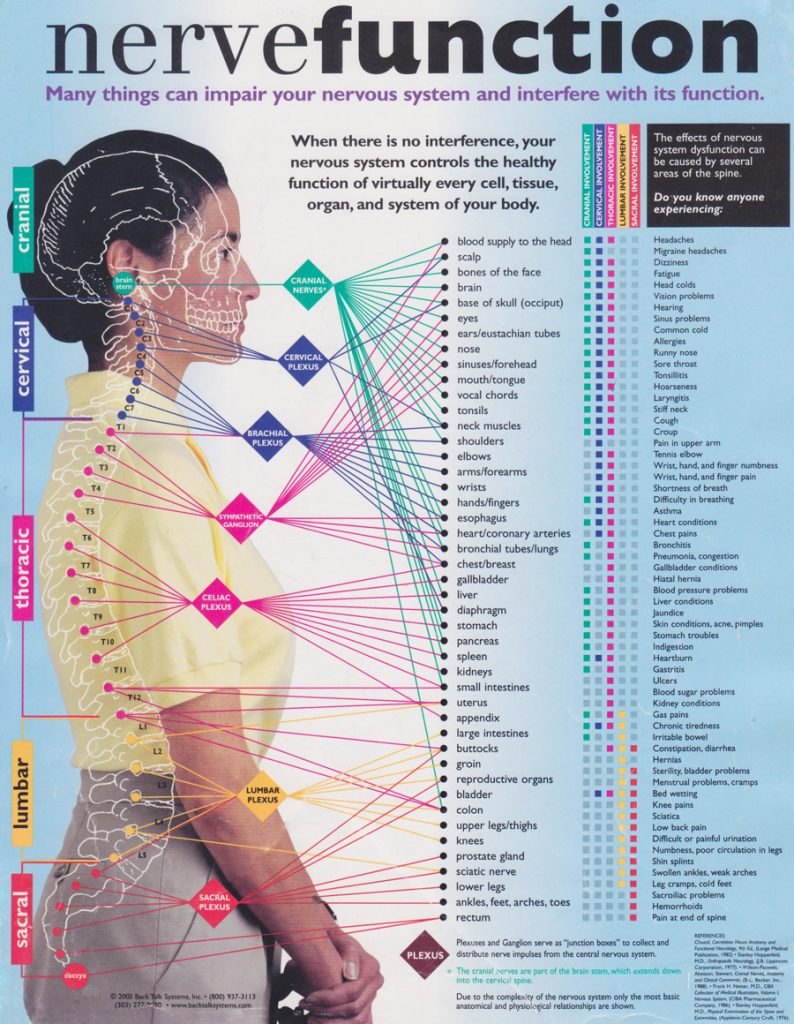
The nervous system is the body’s master control system. The brain processes information and sends signals down the spinal cord, which then branch out through spinal nerves to control movement, sensation, organ function, immune response, and healing. Every heartbeat, breath, muscle contraction, and digestive process relies on accurate nerve communication.
Because the nervous system is so vital, it is heavily protected by bone. The skull protects the brain, the vertebrae protect the spinal cord, and the pelvis provides structural support and stability for the lower spine and nerves traveling into the legs and pelvic organs. When these structures move properly and remain aligned, nerve signals can travel efficiently. When they do not, problems begin to develop.
Structural Changes Create Nervous System Interference
Structural or functional changes in the skull, spine, or pelvis can occur for many reasons. Auto accidents, slips and falls, repetitive stress, poor posture, prolonged sitting, sports injuries, and even emotional stress can alter how these structures move and bear loads. Over time, these changes can place abnormal pressure on joints, muscles, ligaments, and nerves.
This disruption is often referred to as nervous system interference. Interference does not always mean severe pain right away. In many cases, it develops gradually, leading to symptoms such as stiffness, headaches, neck or back pain, reduced mobility, numbness or tingling, muscle weakness, fatigue, or a general sense that the body is not functioning optimally.
When interference persists, the brain may receive distorted information from the body, or signals traveling from the brain may not reach their destination as efficiently. This can compromise coordination, healing capacity, and physical/mental resilience.
The Mechanical Relationship of the Skull, Spine, and Pelvis
The skull, spine, and pelvis do not function independently. They are mechanically linked, meaning a problem in one area can affect the others. For example, changes in pelvic alignment can alter spinal posture, increasing stress on the lower back and neck. Likewise, restrictions in the upper cervical spine can influence head position, muscle tension, and balance throughout the body.
This interconnected relationship is why localized symptoms often have deeper structural causes. A patient may feel pain in the shoulder, hip, or knee, but the underlying issue may originate in the spine or pelvis. BeWell Chiropractic care in Tigard focuses on identifying and correcting these underlying dysfunctions rather than only addressing surface-level symptoms.
Chiropractic Care Supports Nervous System Function
Chiropractic care is centered on improving joint motion, alignment, and biomechanics of the spine and related structures. By restoring proper movement and reducing abnormal stress on the nervous system, chiropractic adjustments help create an environment where the body can heal and regulate itself more effectively.
At BeWell Chiropractic in Tigard, care is always tailored to the individual. This includes evaluating posture, spinal motion, pelvic balance, and overall structural integrity. Gentle, precision chiropractic adjustments are used to improve the function of the skull, spine, and pelvis, helping to reduce nervous system interference.
When structure and function improve, many patients report decreased pain, improved mobility, better posture, and enhanced overall well-being. More importantly, they often notice improved function in daily activities, from sleeping and working to exercising and recovering from injury.
Removing Interference Helps the Body Work Better
The body has an incredible ability to heal and adapt when given the right conditions. Removing nervous system interference does not “force” healing; instead, it allows the body’s natural processes to work more efficiently. This can lead to improved coordination, faster recovery, and better long-term outcomes.
Rather than focusing solely on symptoms, chiropractic care addresses the root mechanical issues that may be contributing to ongoing discomfort or dysfunction. This approach supports not just pain relief, but long-term spinal health and nervous system performance.
Final Thoughts…
If you are experiencing pain, stiffness, or a sense that your body is not functioning at its best, structural imbalances may be playing a role. By supporting proper mechanics and nervous system communication, chiropractic care helps the body work as well as it can—today and into the future.