
Neck & Back Pain
Tight or guarded muscles can accompany neck and back discomfort and make everyday movement feel more restricted.
Hands-on care for tight muscles, easier movement, and a body that feels better to move in
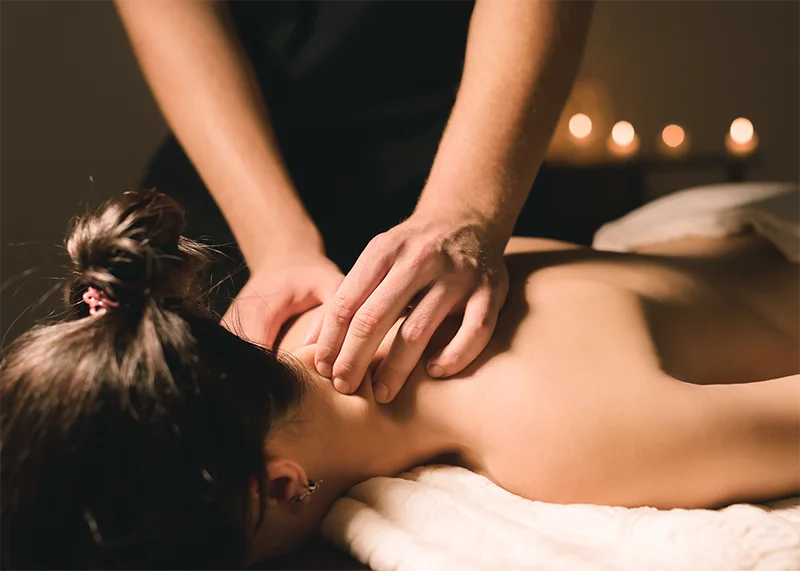
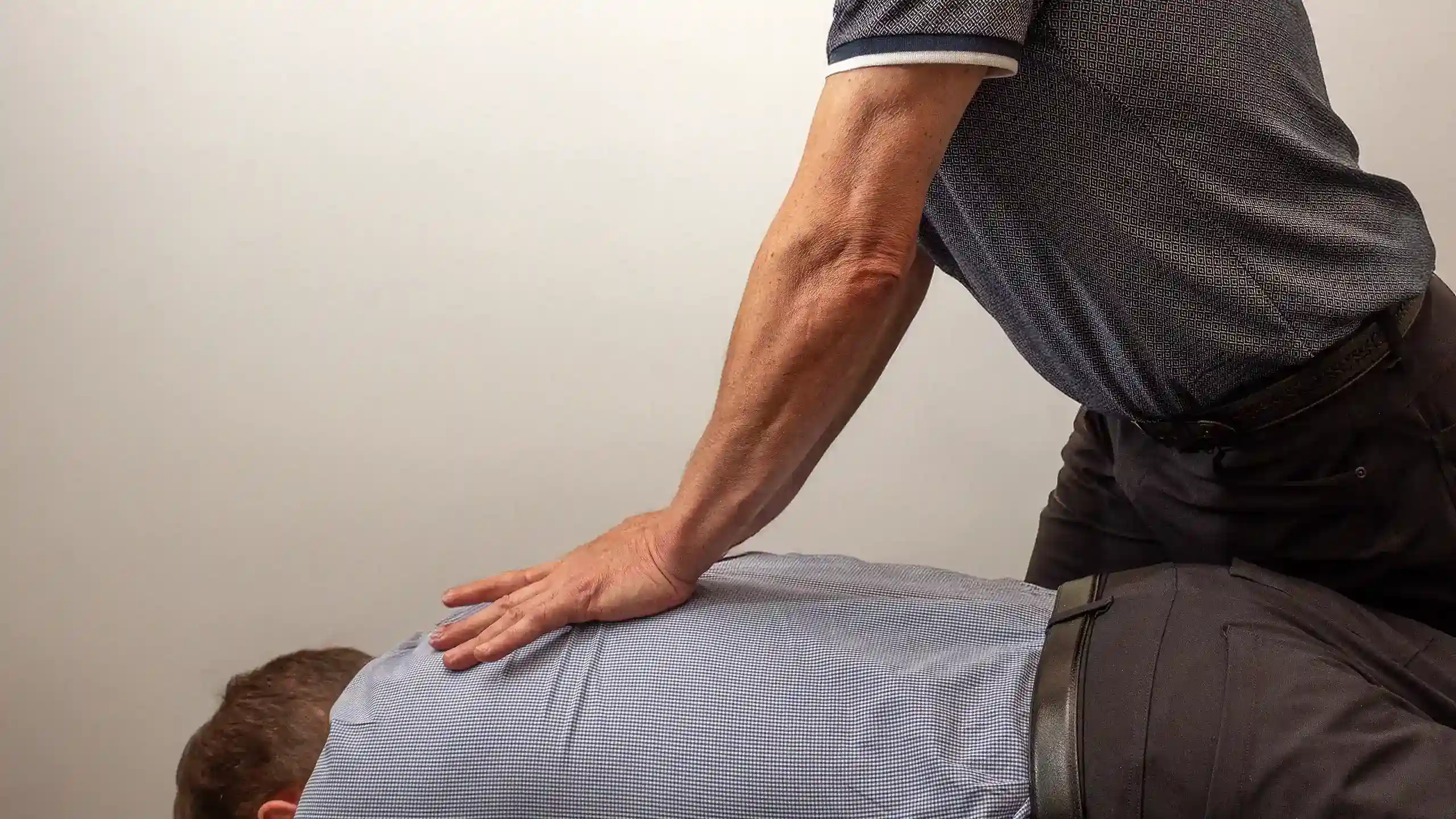
You can schedule massage on its own or coordinate it with your chiropractic care when both make sense for you.
Your neck, shoulders, back, hips, or other areas repeatedly feel tight, sore, or difficult to relax.
Muscle tension or soft-tissue sensitivity can make reaching, turning, bending, or moving through your normal day feel less comfortable.
Hours at a desk, repetitive tasks, physical work, or prolonged positions can leave certain areas feeling overworked.
Exercise and sports place demands on muscles and connective tissues. Targeted massage can be one way to support comfort between the activities you want to keep doing.
After the appropriate evaluation, massage may be included when muscle tension, guarding, or restricted movement is part of the recovery picture.
Stress can come with very real muscle tension. Sometimes a focused session helps your body settle and simply feel easier to live in.
You don’t need to fit neatly into one category. Tell your massage therapist what you’re noticing, and the session can be shaped from there.
Muscles and fascia don’t work in isolation.
They move around joints. They respond when an area is sore or irritated. They receive and create sensory information that your nervous system constantly processes.
When muscles become tense or guarded, movement may feel stiff, uncomfortable, or more difficult than usual. Working directly with those soft tissues can change how an area feels and may make movement more comfortable.
Massage therapy uses hands-on pressure and movement through muscles and other soft tissues. Depending on what your therapist finds and what feels appropriate, the work may be broad and relaxing or focused on a specific area that needs attention.
That’s why BeWell views massage as meaningful hands-on care rather than something reserved only for an occasional spa day.

An adjustment may be used to address joint motion and other chiropractic findings identified during an evaluation.
Massage works directly with muscles, fascia, and other soft tissues that may be tight, sensitive, or restricting comfortable movement.
Massage can sometimes help an area feel more relaxed and easier to work with before or alongside chiropractic care. In other situations, massage may simply be the service you came in for.
There isn’t one pressure level or massage technique that’s right for everyone. Your therapist starts by listening to what’s been happening and what you want to focus on. From there, the session can be adjusted around the areas involved, your sensitivity, your preferences, and how your body responds during the appointment. Your session may include:

Massage is one possible tool. The appropriate starting point depends on what happened, what you’re feeling, and whether your symptoms need further evaluation.
A BeWell massage begins with a conversation, not a predetermined routine.
Your appointment should leave you feeling heard, respected, and comfortable speaking up about what your body needs.
Yes. Massage can be scheduled directly at BeWell. If you’re also receiving chiropractic care, your massage can be coordinated with the rest of your care when appropriate.
No. People schedule massage for many reasons, including persistent muscle tension, physical activity, repetitive work, stiffness, stress-related tension, and general comfort.
The session is built around your needs rather than a standard routine. Your therapist may focus on particular muscles, areas of tension, movement-related concerns, or deeper soft tissues when appropriate. The experience can still be relaxing.
No. Deeper pressure isn’t automatically more useful. Tell your therapist what you’re feeling so the pressure and technique can be adjusted.
There isn’t one required order for everyone. When massage and chiropractic care are being used together, the timing can depend on what’s being addressed during that visit. Massage may sometimes be used before other hands-on care when muscle tension is making an area difficult to work with.
It may be included when soft-tissue tension, guarding, or restricted movement is part of the recovery picture and massage is appropriate for your situation. Recent or significant injuries may need to be evaluated before massage begins.
That depends on why you’re coming in, how your body responds, your preferences, and your overall care needs. Some people schedule periodically when tension builds, while others choose more regular massage.
Not necessarily. Your health history, medications, recent injuries, surgeries, pregnancy, or other medical circumstances may affect whether massage or deeper pressure is appropriate. Let your therapist know about relevant health concerns before your session.