
Precision Chiropractic Adjustments
Improve spinal alignment, relieve nerve pressure, and restore proper movement.
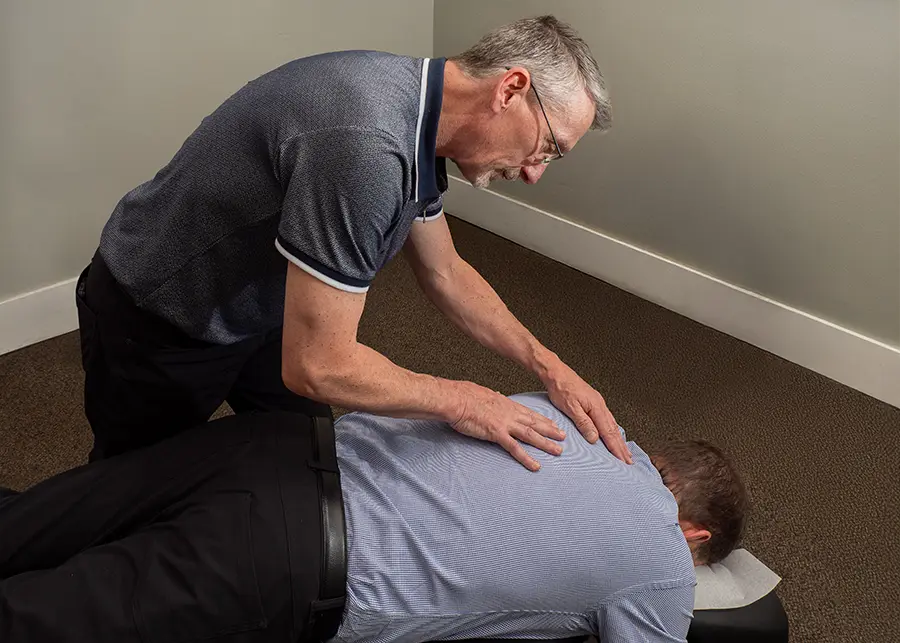
Still not feeling right after an injury?
Start by sharing your story.
Recovery after physical trauma does not always involve one symptom or one injured area.
You may notice that your neck or back feels different. You may have headaches or altered sensation. You may feel dizzy, unsteady, mentally foggy, or less comfortable with activities that were routine before the injury. Some concussion symptoms can also become noticeable hours or days after an injury rather than immediately.
This doesn’t mean every lingering symptom has the same cause. It means that when symptoms persist, looking at how different aspects of your function are working together may provide useful information about what deserves attention.
Feeling unsteady, motion-sensitive, dizzy, or less confident with balance can occur after some types of injury.
Changes in sensation in the hands, arms, legs, or feet may involve nerves, spinal structures, muscles, or other factors that need to be evaluated.
Headaches after trauma may occur alongside neck symptoms, dizziness, visual sensitivity, or other post-injury concerns.
Pain, stiffness, altered motion, or muscle guarding may remain after a collision, fall, or other physical trauma.
Whiplash is one type of post-trauma presentation, particularly when an auto accident produces neck-focused symptoms or related concerns.
Sports impacts can involve local strains and sprains, but some injuries may also produce concussion-type, balance, sensory, or broader functional symptoms.
Your visit begins with your story. We want to understand what happened, what you noticed afterward, what has improved, and what still does not feel normal.
Depending on your history and symptoms, your examination may include:
Muscle function testing
Eye-movement screening when appropriate
Orthopedic and spinal assessment
Joint motion and range-of-motion evaluation
Balance and coordination screening
Sensory or neurological screening when appropriate
There is no single Post-Trauma Recovery treatment that every patient receives.
Your care recommendations depend on what Dr. Crokin finds during the examination, how long symptoms have been present, your current level of function, and how you respond to care.
Retrain steadiness when balance or sensory systems are involved.
Rebuild strength and control in the movements that still feel limited.
Used when eye-movement or motion sensitivity is part of the picture.
Address muscle tension and tissue restriction around the injured area.
For some post-trauma presentations, particularly when concussion-type symptoms are involved, Dr. Crokin may begin more conservatively and progress care according to how the patient responds. The important point is not how many treatment tools are available.
Post-Trauma Recovery is intentionally broad because physical trauma can show up in different ways.
A whiplash injury may be part of a post-trauma presentation. A sports injury may be part of a post-trauma presentation.
Dizziness, headaches, numbness, neck or back symptoms, balance changes, and difficulty returning to activity may also become part of the larger recovery picture.
That does not mean every symptom has one common cause. It means you do not necessarily need to choose the perfect condition label before being evaluated.
If one particular symptom is your primary concern, our individual condition pages can help you explore that topic in more detail.
Not every symptom that occurs after trauma should be managed through chiropractic care.
BeWell focuses on musculoskeletal, sensory, movement, balance, and functional factors that are appropriate for us to evaluate. When your history, examination, or symptoms suggest that another medical provider should be involved, Dr. Crokin will recommend referral or collaboration when it makes sense for your care.
Depending on the situation, that may include working alongside a primary care provider, neurologist, ENT specialist, or another appropriate clinician.
Start with what you know.
Tell us what happened.
Tell us what changed afterward.
Tell us what has improved and what still does not feel right.
Post-Trauma Recovery refers broadly to the evaluation and care of persistent symptoms or changes in function following physical trauma. That may include car accidents, falls, sports injuries, whiplash events, concussion-type events, or other impacts.
Some symptoms associated with mild traumatic brain injury or concussion may become noticeable hours or days after an injury. Other post-injury symptoms may also change over time. New, worsening, or concerning symptoms should be medically evaluated when appropriate.
Yes, but normal imaging does not tell us what is causing your symptoms. CT and MRI are designed to answer particular structural questions and are not routinely required to diagnose mild TBI or concussion. BeWell evaluates your history and functional findings rather than assuming a diagnosis based on imaging alone.
No. BeWell applies the concept broadly. Post-trauma symptoms may follow car accidents, sports impacts, falls, whiplash injuries, concussion-type events, and other physical trauma.
Not exactly. Whiplash can fall within the broader Post-Trauma category. A dedicated Whiplash page is useful when the primary issue involves a whiplash-type injury, while Post-Trauma Recovery addresses the broader functional picture that can follow many forms of physical trauma.
No. One purpose of the evaluation is to understand your history, symptoms, and relevant findings. If another type of provider or medical evaluation makes more sense for your situation, BeWell can recommend referral or collaboration when appropriate.