
Deep Tissue
Laser Therapy
Laser Therapy
May be recommended when irritation or tissue recovery is part of the care plan.
Personalized adjustments guided by how your joints, movement, and nervous system are functioning.
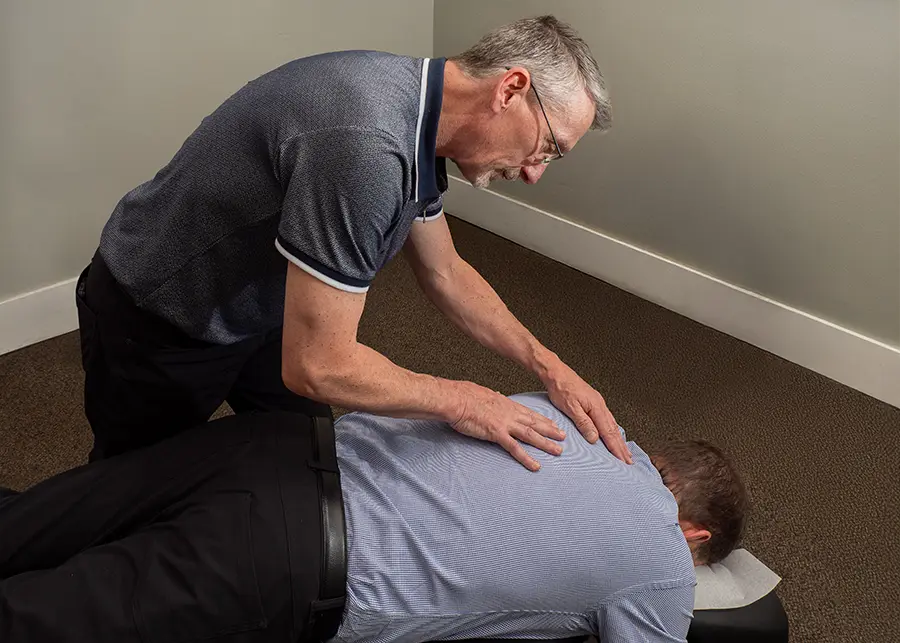
Your age, health history, and comfort level shape the pressure, position, and method, including gentler or modified techniques as needed.
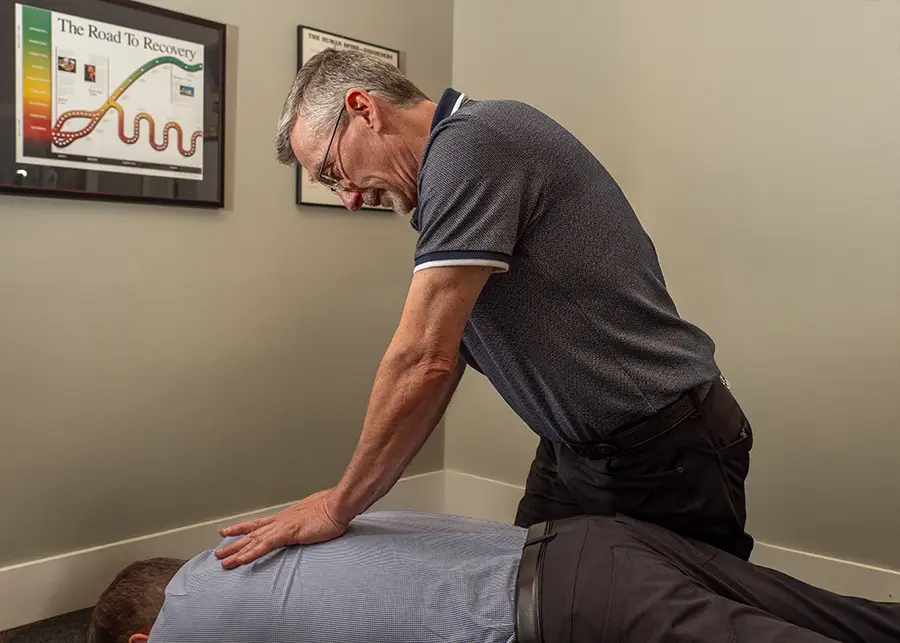
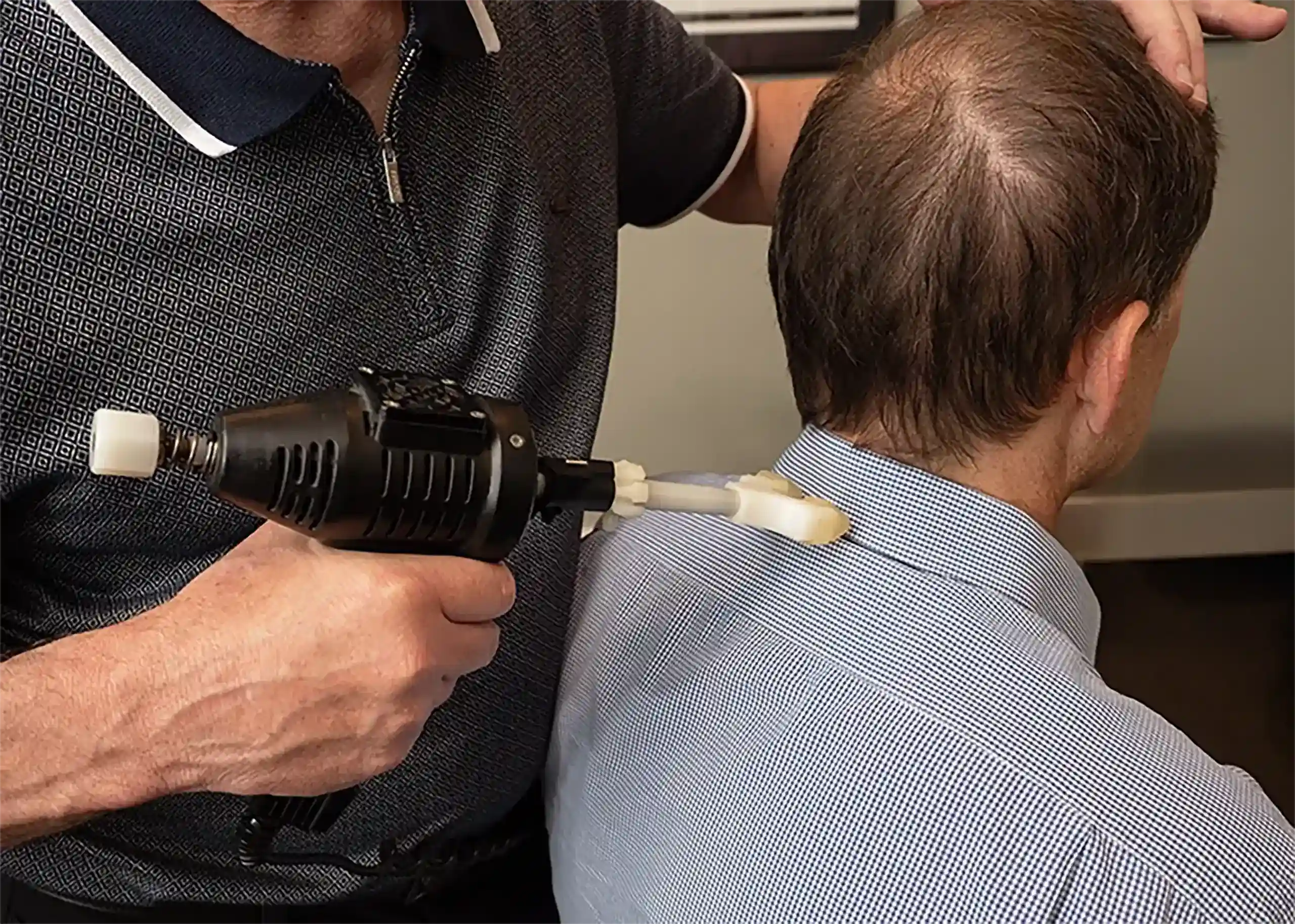
Dr. Crokin's background informs a broader evaluation of spinal function, movement, coordination, balance, and sensory findings while keeping care grounded in chiropractic practice. He explains what he finds in plain language, and when another provider is more appropriate, he says so.
Dr. Crokin takes a neurology-based approach to chiropractic care by looking beyond individual joints to understand how movement, balance, coordination, body-position awareness, and sensory feedback work together. These findings help guide individualized spinal adjustments and supportive therapies, while also identifying when additional evaluation or referral may be appropriate.
Depending on what Dr. Crokin finds during your evaluation, your care may also draw on any of these. They are not automatically combined — each is selected to address a specific need.
Most patients describe an adjustment as quick and comfortable. You may feel pressure, movement, or a brief stretch. Some temporary soreness can occur, particularly when an area has been stiff or irritated. Dr. Crokin adjusts the technique to your needs and encourages you to speak up about your comfort at any time.
No. Some adjustments create a popping sound and others do not. The sound is not a measure of whether the treatment was successful. Dr. Crokin may use manual, instrument-assisted, or lower-force techniques depending on your needs.
No. Technique, position, pressure, and treatment area are selected according to your history, examination findings, symptoms, and comfort level.
There is no single visit schedule that applies to everyone. Recommendations depend on your condition, how long symptoms have been present, your activity goals, and how you respond to care. Dr. Crokin will explain his recommendations and reassess your progress over time.
Dizziness and balance problems can have many causes. Spinal adjustments do not treat every cause of these symptoms. When an evaluation identifies relevant neck, movement, or musculoskeletal factors, adjustments may be included as one part of a broader care plan. Medical evaluation or referral may also be appropriate.
Numbness and tingling can be associated with nerve irritation, injury, repetitive stress, musculoskeletal problems, or medical conditions. Dr. Crokin evaluates whether musculoskeletal or movement-related factors may be contributing. He may recommend additional medical evaluation when the symptoms require further investigation.