
Neurology-Based Chiropractic
Chiropractic Is More Than Moving Joints
Your brain and body are in constant communication. Every movement and change in joint position provides information to your nervous system, helping your brain understand what your body is doing.
That connection is why Dr. Crokin looks beyond where you hurt to consider how your nervous system and musculoskeletal system are working together.

Why the Brain Matters to How Your Body Functions
Movement & Mobility
Smooth movement depends on your brain receiving and processing information about where your body is and how it is moving. Changes in that coordination may show up as restricted movement, reduced joint mobility, or movements that simply do not feel as natural as they should.
Muscles & Posture
Your nervous system helps determine when muscles contract, relax, and work together. When those signals are not being coordinated efficiently, some muscles may remain overly tight while others are underused or poorly coordinated, making posture and movement more difficult to maintain.
Balance & Stability
Staying balanced requires your brain to continuously interpret information from your body and surroundings. When those systems are not working together efficiently, you may notice changes in balance, stability, or how confidently your body responds to movement.
The Feedback Loop
Your Brain and Body Are Always Talking
Body → Brain
Your body sends information in.
Brain → Body
Your brain processes and responds.
Where Chiropractic Fits
An Adjustment Is Also Sensory Input
What an Adjustment Changes
One Change, Three Effects
Joint movement changes
Sensory information changes
The nervous system receives different information
Integrated Care
More Than an Adjustment
Joint Input
Movement Input
Sensory & Neurological Input
The Evidence
What Research Tells Us About Chiropractic and the Nervous System
It is reasonable to ask how much of the neurological connection we have described is actually supported by research.
Studies using brain imaging and neurophysiological measurements have found that spinal manipulation can produce measurable changes in the nervous system. At the same time, researchers are still working to understand what many of those changes mean for patient outcomes.
What Research Has Found
Studies have observed changes in neurological activity following spinal manipulation, including short-term changes in how the nervous system processes and responds to information.
Changes in sensory and motor processing
Research has identified changes involving sensory processing, motor control, and the integration of sensory information with movement.
Changes can be measured beyond the joint itself
Some studies using brain and neurophysiological measurements have observed changes in cortical activity and connectivity following spinal manipulation.
What We’re Still Learning
A measurable change in nervous-system activity does not automatically mean that it will produce a specific improvement in pain, balance, coordination, or another symptom.
How responses differ from person to person
Research does not establish that every person or every adjustment produces the same neurological response.
How far the conclusions can go
Current research does not support broad claims that chiropractic “improves brain health,” rewires the brain, or treats neurological disease simply because neurological changes can be measured after spinal manipulation.
Wirth et al., 2019 · Spine — Neurophysiological effects of high velocity and low amplitude spinal manipulation in symptomatic and asymptomatic humans: a systematic literature review. PubMed
Gyer et al., 2019 · Journal of Integrative Medicine — Spinal manipulation therapy: is it all about the brain? A current review of the neurophysiological effects of manipulation. PubMed
Pickar, 2002 · The Spine Journal — Neurophysiological effects of spinal manipulation. PubMed
European Journal of Neuroscience, 2026 — Neurophysiological response of spinal mobilization and manipulation in individuals with and without musculoskeletal spine disorders: a scoping review. PubMed
Meyer et al., 2019 · Chiropractic & Manual Therapies — Unravelling functional neurology: does spinal manipulation have an effect on the brain? A systematic literature review. PubMed
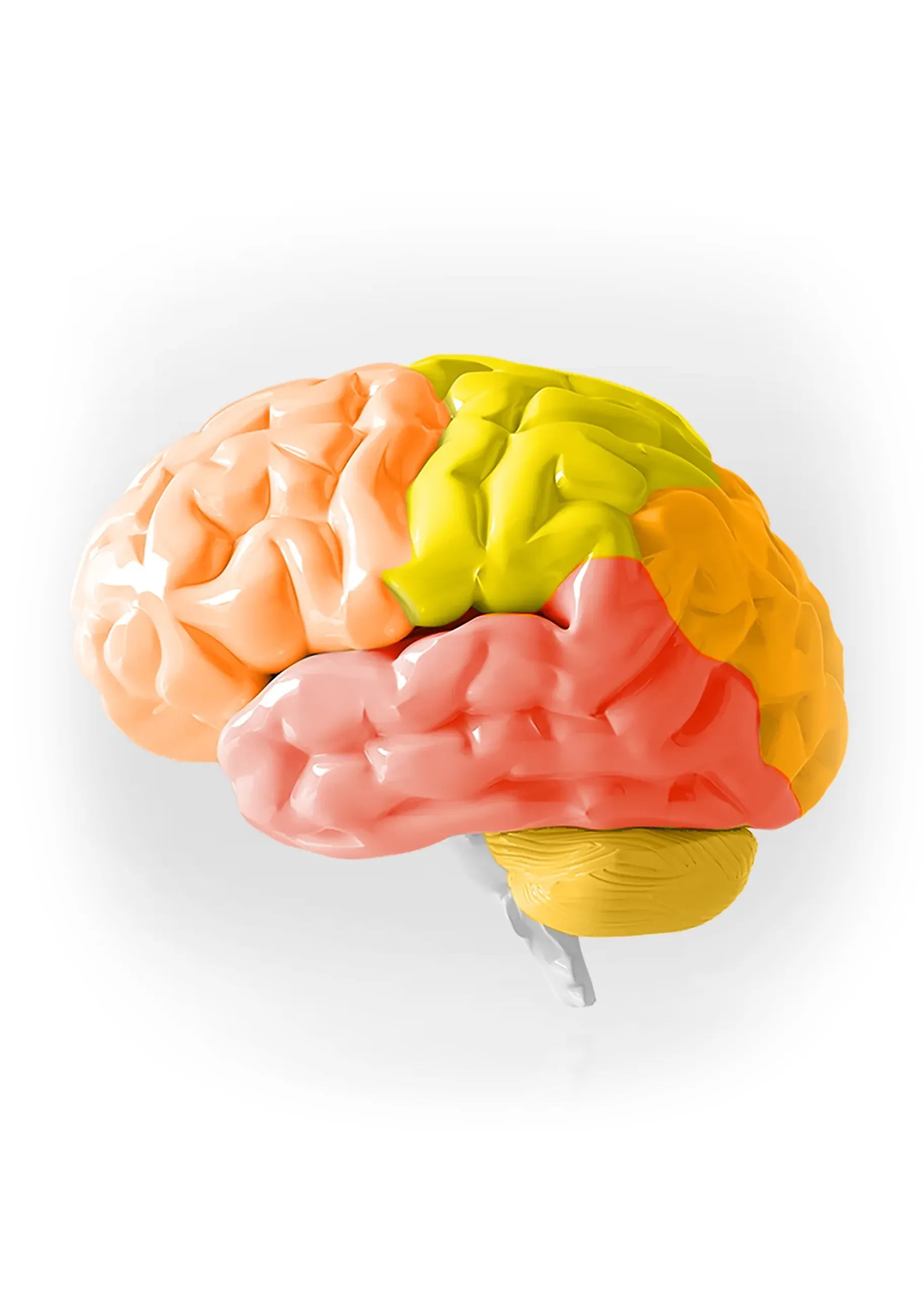
Brain Anatomy & Function
The Takeaway
Research can help us understand the general neurological connection. An evaluation is what helps Dr. Crokin determine what may actually be relevant to you.
Getting Started
Your Care Starts With Your Story
You don’t need to know whether your symptoms are coming from a joint, a nerve, your balance system, or another factor before you schedule. That is what the evaluation is for.
Dr. Crokin starts by listening to what you are experiencing, then looks at the findings that may be relevant to your situation before deciding what kind of care makes sense.
You do not need to figure out the answer on your own. The goal of the evaluation is to determine what is actually relevant in your case.